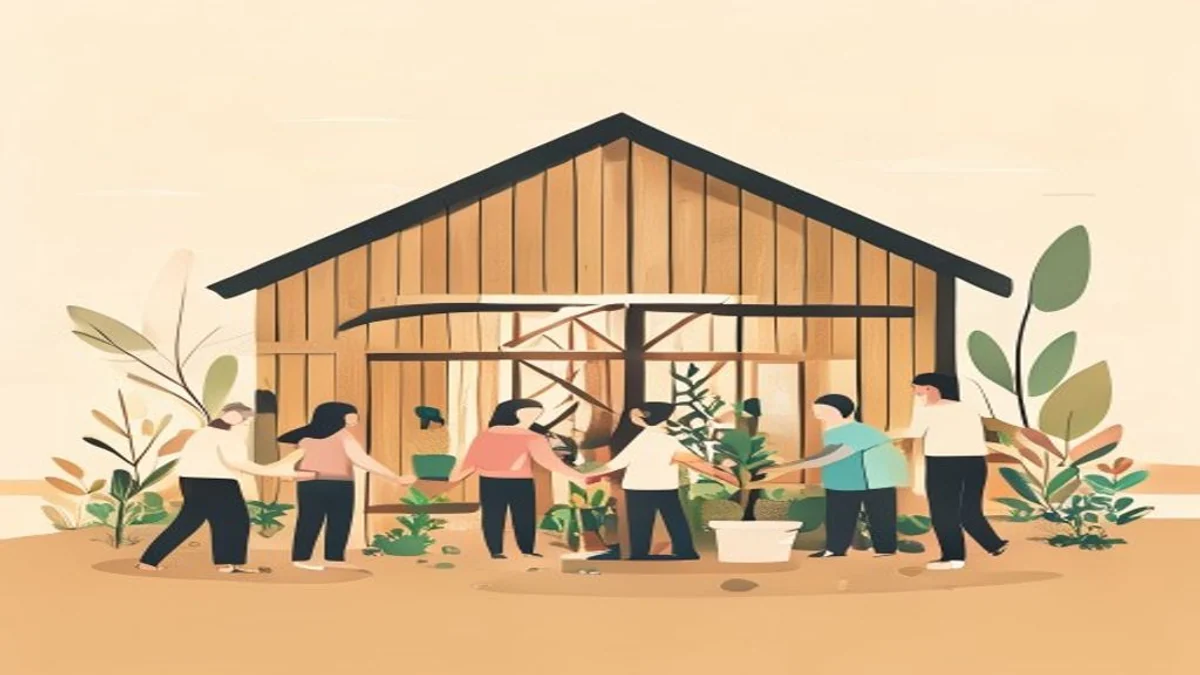
Canada opens 50 new indigenous-language immersion schools
What good news happened in Canada?
Canada opened 50 new indigenous-language immersion schools in 2026 with joint federal and First Nations community funding. Officials verified the results through public data and field reports from Canada.
Canada opened 50 new indigenous-language immersion schools in 2026 with joint federal and First Nations community funding. Officials verified the results through public data and field reports from Canada.
What is the background?
Schools and training programs in Canada reached a documented milestone in May 2026. Education officials published enrollment, completion, and equity figures alongside the announcement.
What happened?
Canada opened 50 new indigenous-language immersion schools in 2026. Enrollment exceeded projections in the first term across six provinces.
School districts submitted certified enrollment and outcome data in May 2026. Indigenous Services Canada compared the figures with five-year trends before releasing the public summary.
How did it happen?
Indigenous Services Canada co-funded construction with First Nations governments. Elder speakers helped design curriculum and train teachers. Schools combine language immersion with standard provincial graduation requirements.
Teachers received structured training modules and classroom toolkits before launch. Schools paired experienced mentors with newer staff during the first term. Administrators tracked attendance, test scores, and equity gaps on a shared calendar with monthly review meetings.
Why does it matter?
Language immersion preserves cultural knowledge and strengthens student identity. Bilingual graduates gain skills valued in translation, tourism, and public service. Community-led design ensures schools reflect local traditions.
Students with stable schooling earn more skills and contribute more tax revenue over time. Equity gains mean rural and low-income learners receive the same core support as urban peers. Employers benefit when local graduates meet verified skill standards.
What were the key results?
- 50 new immersion schools opened
- Enrollment above first-term projections
- Elder speakers involved in curriculum design
- Graduates meet provincial diploma standards
- Teacher mentors will support new cohorts entering the program next term
- District dashboards will track equity gaps monthly rather than annually
What happens next?
Districts will report enrollment, completion, and equity gaps again at the start of the next school year.
Teacher mentors will support new cohorts entering the programs named in Indigenous Services Canada’s coverage.
School boards will vote on whether to extend funding for tools and training that showed results.
Public dashboards will shift from annual to quarterly updates where systems allow.
Education officials in Canada said they would share classroom-level outcomes once privacy reviews finish.
Primary source: Indigenous Services Canada
Common questions
- What is the good news in Canada?
- Canada opened 50 new indigenous-language immersion schools in 2026 with joint federal and First Nations community funding. Officials verified the results through public data and field reports from Canada.
- What happened in Canada opens 50 new indigenous-language immersion?
- Canada opened 50 new indigenous-language immersion schools in 2026 with joint federal and First Nations community funding. Officials verified the results through public data and field reports from Canada. The story is filed under Education in americas.
- Where did this education story take place?
- This constructive story is set in Canada, in the americas region.
- Who verified the facts in this story?
- Editors at Small Good Things verified the reporting against Indigenous Services Canada, the named primary source for this article.
- When was this story published?
- This story was published in May 2026 and reflects verified reporting from that period.